Women's Health After 50: Screenings and Habits for Quality of Life
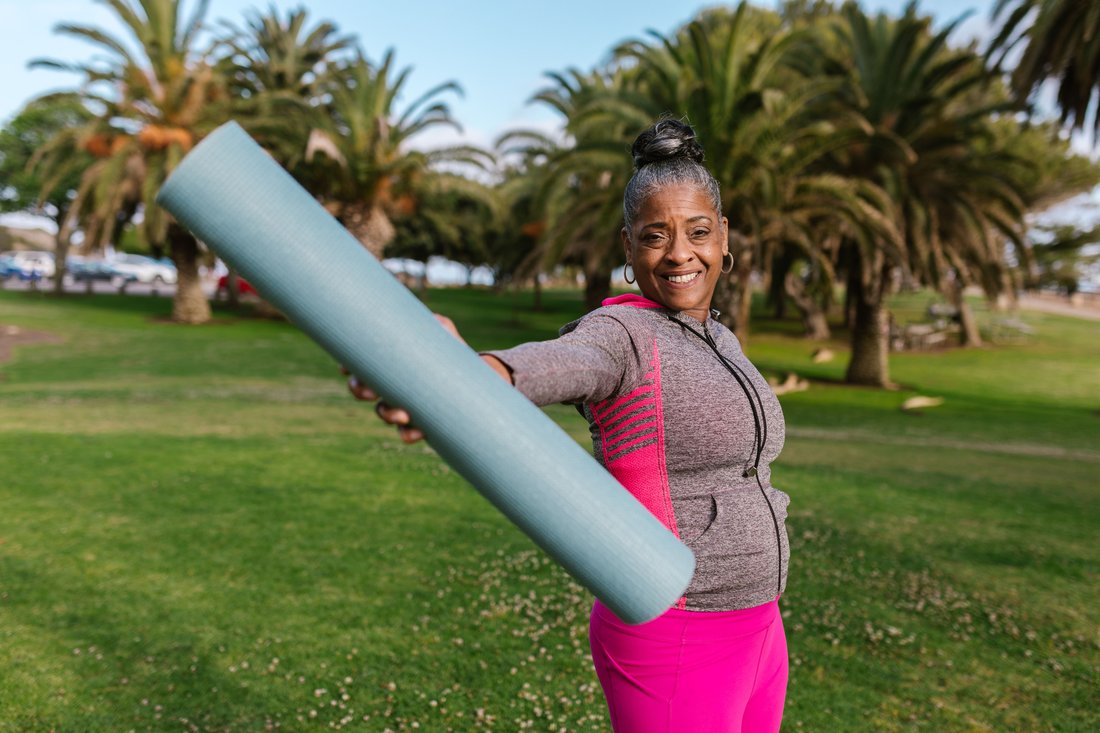
Women's health after 50 depends a lot on how your body moves through menopause: along with hormonal shifts come changing risks for bones, heart and skin. Here's what to pay attention to first.
Women's health after 50 rests on three things: regular screenings, movement that loads muscles and bones, and caring for your sleep and skin. Menopause isn't an illness but a natural stage, yet falling estrogen levels trigger real changes: bone loss speeds up, fat distribution shifts and the risk of cardiovascular disease rises. Understanding these processes helps you support your body in time instead of fighting it.
What happens to your body after 50?
The main factor is the hormonal transition around menopause. It affects several systems at once:
- bones — density drops faster than before menopause;
- heart and blood vessels — risk rises more noticeably than before;
- weight — fat tends to settle around the belly;
- skin — it gets drier and loses firmness faster;
- sleep and mood — many women experience hot flashes and mood swings.
Symptoms and stages are covered in detail by the NHS and Mayo Clinic, and how to feel your best during this time — in our article on menopause.
Which screenings matter for women's health after 50?
The basic list covers bones, breasts, heart and a gynecological exam. Your doctor will set the timing based on your history.
- Bone density scan (DEXA) — to assess osteoporosis risk, especially after menopause.
- Mammogram — on the schedule your doctor recommends.
- Lipid panel and blood pressure — heart risk rises after menopause.
- Gynecological exam — regularly, even without obvious complaints.
- Vitamin D and calcium — supplements are best taken based on test results.
Women's health and building muscle after 50: how do you protect bones and muscles?
Strength exercises and weight-bearing activity are among the few proven ways to slow bone loss. The National Institute on Aging writes about this as well.
Walking, light jogging, dancing and bodyweight or light-dumbbell exercises all work. Protein and calcium in your diet add to the effect. More ideas in our article on bone health after 50.
How do you support your heart and weight?
Regular movement, moderate portions and fewer simple sugars help. Crash diets at this age tend to cost you muscle rather than fat.
- More vegetables, legumes, whole grains and fish.
- Less salt, sugary drinks and processed foods.
- Daily activity — take the stairs instead of the elevator, and walk instead of making short drives.
It also helps to know your baseline numbers: blood pressure, cholesterol and blood sugar levels, and waist circumference. Compare them with last year's values once a year — changes show up before symptoms do, and your conversation with the doctor becomes more concrete.
We've gathered simple habits for your heart in our article on prevention.
How does skin change, and how should you care for it?
As estrogen declines, skin gets drier and loses firmness faster than in youth. Gentle cleansing, moisturizing and sun protection are still the foundation.
More in our articles on age-related skin changes and on basic skincare.
Don't forget the skin on your body: it also gets drier, so applying moisturizer after a shower helps, and so does swapping hot water for warm. Dry indoor air during the heating season makes it worse, and a bedroom humidifier often helps as much as a new cream.
Sleep, mood and hot flashes: what helps?
A consistent sleep schedule, a cool bedroom, movement during the day and less caffeine and alcohol in the evening. These steps don't cancel out hormonal changes, but for many women they make a noticeable difference in how they feel.
During this time, many women combine skincare — for example, the Alavida Trio set with a day nectar, a night cream and an eye cream — with the X39+X49 patches, which, according to the company, support energy and recovery after exercise. But the foundation is movement, sleep and regular screenings; products only complement that base.