First Aid at Home: A Basic Kit and Simple Rules
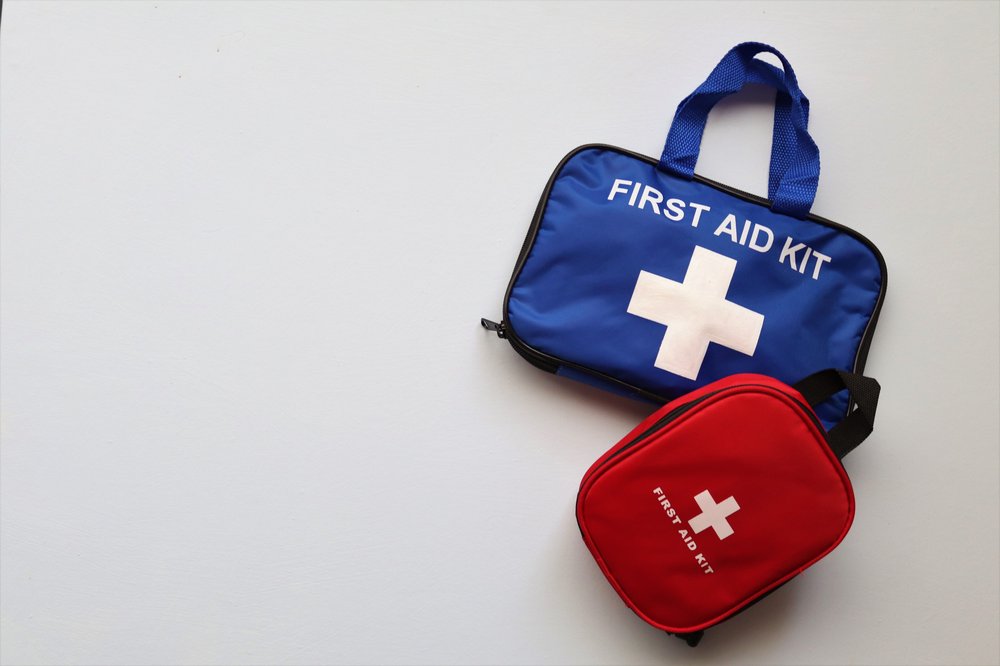
First aid at home is needed more often than you might think: a cut, a burn, a bruise or a sprain happens at the worst possible moment. Here's what belongs in a home first aid kit and what to do in the first minutes before a doctor gets involved.
First aid at home means taking the right steps in the first minutes after a cut, burn, bruise or sprain, before a doctor gets involved. Most household injuries don't require an ambulance, but they do require staying calm, clean hands and a first aid kit put together in advance. A little preparation saves precious time when something happens.
Below are the basic rules described by Mayo Clinic, the NHS and the American Red Cross. They don't replace a first aid course, but they help you keep your head. If you can, take an in-person course: skills you've practiced with your hands come back far more easily in a stressful moment than something you've read.
What should be in a first aid kit at home?
The main thing is that everything you need is in one place and everyone in the family knows exactly where. Keep the kit in a cool, dry place out of reach of young children, and put together a separate compact kit for the car and for trips.
- Sterile bandages, gauze pads and adhesive bandages in different sizes.
- An antiseptic for cleaning wounds and an elastic bandage.
- Scissors, tweezers, disposable gloves.
- A thermometer and a fever reducer.
- A burn care product and an antihistamine for allergies.
- Family members' personal medications — clearly labeled, with expiration dates.
How to do first aid at home: where to start?
Start by assessing the situation: is the area safe, is the person conscious, how serious is the injury. If in doubt, call 911 first, then act.
- Calm yourself down and reassure the injured person.
- Wash your hands or put on gloves if there's a wound.
- Follow simple steps and don't do anything you're unsure of.
What to do for a cut?
First stop the bleeding with pressure, then clean and cover the wound.
- Press a clean cloth or gauze to the wound and hold the pressure for several minutes.
- Rinse the wound with clean water and treat the edges with an antiseptic.
- Apply a sterile dressing or an adhesive bandage.
If the bleeding doesn't stop after 10–15 minutes or the wound is deep, you need medical care.
What to do for a burn?
Cool the affected area right away under cool running water for 10–20 minutes — this helps limit how deep the tissue damage goes.
- Don't use ice, butter, toothpaste or other "home remedies."
- Remove rings and tight items near the burn before swelling starts, but don't pull off fabric that's stuck to the skin.
- After cooling, cover the burn with a clean non-stick dressing.
For severe pain, blisters over a large area, or a burn on the face or hands, see a doctor.
What to do for a bruise or sprain?
The classic first steps are rest, cold, light compression and elevating the limb.
- Apply cold through a cloth for 15–20 minutes at a time, with breaks, during the first 24 hours — this helps reduce swelling and discomfort.
- Wrap the elastic bandage without pulling it too tight, so you don't restrict circulation.
- It's best to limit the load on the injured area until it feels better.
If the pain is severe, the limb looks deformed or you can't put weight on it, you need to see a doctor. For the next steps, read our article "Recovering from a sports injury".
How to lower the risk of injuries at home?
Prevention is easier than first aid, and many household injuries happen when you're rushed or tired. Good lighting, non-slip rugs and care with knives and anything hot are basic but effective measures. For older family members, the exercises in our article "Balance and fall prevention" are helpful, and for those who train a lot, the tips in "How to lower the risk of knee injuries".
For comfort while recovering from bruises and sprains, many people keep LifeWave IceWave patches on hand. According to the company, they help you feel more comfortable in motion; they are applied only to clean, dry, intact skin — never on wounds or burns. Learn more in our article "IceWave patches: comfort in motion".