Jet lag: how to adjust faster after a flight
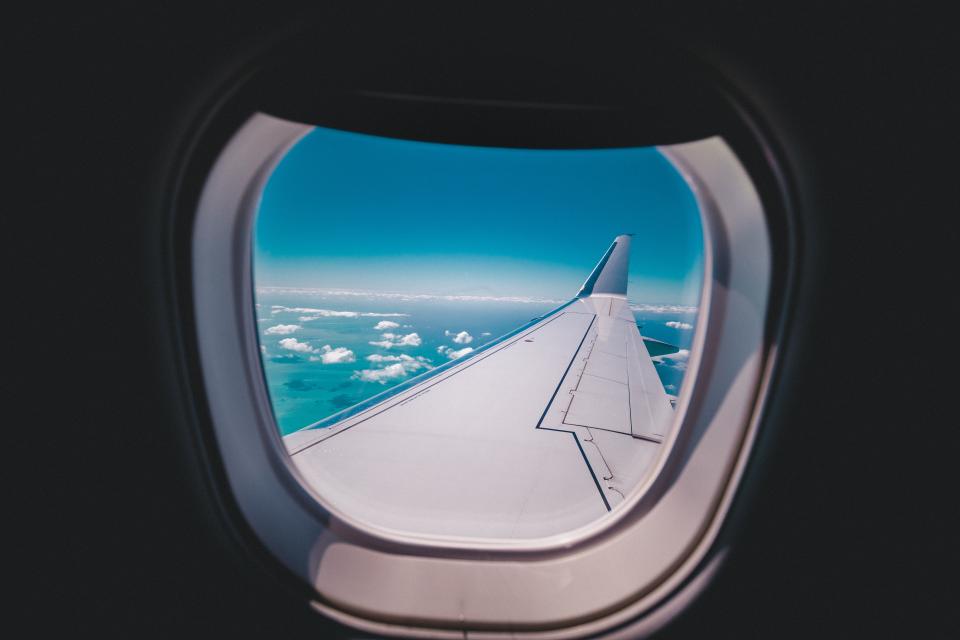
How to beat jet lag when you can't sleep at night and feel drowsy all day? Here's how to help your internal clock catch up with a new time zone before you fly, on the plane and after you land.
How to beat jet lag faster? Help your internal clock: shift your schedule in advance, live on destination time during the flight, and after landing get daylight, eat and sleep on the local schedule. It's hard to avoid jet lag completely on a long-haul flight, but you can definitely shorten it.
Jet lag happens when your body's internal clock runs on one time while the sun and your alarm run on another. It usually shows up when a flight crosses three or more time zones. On average, it takes about a day per time zone to adjust — that's what both the Sleep Foundation and the NHS say.
What are the symptoms of jet lag?
The main sign is sleep and alertness at the "wrong" time: you can't sleep at night and feel drowsy during the day.
- It's hard to fall asleep at night, or you wake up in the middle of the night.
- During the day you feel sluggish, sleepy and find it hard to concentrate.
- You get hungry at unusual times.
- Your mood may dip and you may feel irritable.
How do you prepare for a flight to avoid jet lag?
Start adjusting at home — then the difference on day one will be smaller.
- 2–3 days before, start shifting your bedtime by 30–60 minutes toward the new time zone.
- Get a good night's sleep before your flight — starting a trip sleep-deprived makes it harder.
- Plan your first day so there's nothing important on it.
What should you do on the plane when crossing time zones?
On the plane it's important to "move" into the new time right away and not get dehydrated.
- Set your watch to destination time as soon as you board.
- Drink water and limit alcohol and coffee — the cabin air is dry.
- Sleep if it's night where you're landing; stay awake if it's day.
- Get up and stretch every 1–2 hours.
We cover other ways to take care of yourself on a long flight in "Long flights".
How to beat jet lag going east — and why is it harder?
When you fly east, your day gets shorter and you have to go to bed earlier than you're used to — which most people find harder. That's why morning light is especially important after this kind of flight.
- Get outside in the first half of the day — for at least 20–30 minutes.
- In the evening, dim bright lights and screens.
- To beat jet lag going west, do the opposite: get more light in the second half of the day and try not to go to bed too early.
For how light controls your internal clock, see "Morning light and circadian rhythm".
How can you tell jet lag is wearing off?
A sign that you've adjusted: you fall asleep and wake up at roughly the same time by the local clock, and daytime sleepiness no longer comes in waves.
- You get hungry for breakfast, lunch and dinner on local time.
- You wake up less often at night and get up in the morning without feeling heavy.
- Your focus and mood return to normal.
If your trip is short — two or three days — it's sometimes easier to keep your home schedule than to adjust there and back.
Jet lag after a flight: how do you cope in the first days?
Live on local time from the first hour: light, meals, walks and sleep — all on the new schedule.
- Eat on the local schedule, even if you're not hungry yet.
- Walk outdoors — movement and daylight help your clock reset.
- Don't forget sun protection if you're flying to the beach.
- Keep your usual evening routine: it tells your body it's time to sleep. More in "How much sleep do adults need?".
If insomnia and exhaustion last noticeably longer than usual after a flight, it's worth discussing with a doctor.
To fall asleep more easily in a new time zone, pack Silent Nights patches — according to the company, they help you relax in the evening. The Cellergize Duo set is handy too: the morning drink helps you perk up and the evening one helps you wind down (these are dietary supplements, so if you're pregnant, breastfeeding or taking medication, check with your doctor first). And many people bring X39 for daytime energy — the patches are compact and take up no space in your luggage.