Cat and dog sleeping: how much do cats and dogs sleep, and when to worry
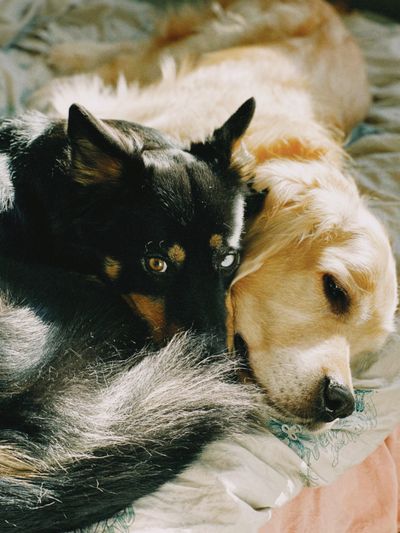
Cat and dog sleeping takes up most of the day, and that's normal: cats sleep 12–16 hours, dogs usually 12–14. Here is how much dogs sleep a day, at night and during the day, and which changes in sleep point to a problem.
Cat and dog sleeping normally takes up most of the day: cats sleep 12–16 hours, dogs usually 12–14, and puppies, kittens and senior animals even more. Long sleep is a norm built in by nature, not a sign of illness.
Owners sometimes worry that their pet "sleeps too much". In fact, what matters more is not the number of hours but sudden changes to the usual routine.
How much do dogs sleep a day by age?
An adult dog sleeps an average of 12–14 hours a day. The exact figure depends on breed, age and how active the dog's day is.
- Puppies sleep noticeably more, since they need sleep to grow and process new things.
- Senior dogs also sleep more and nap more often during the day.
- Working and active breeds may sleep less if their day is full.
- Large dogs often rest longer than small ones.
How much do dogs sleep at night, and how much during the day?
Most pet dogs adapt to the family's schedule: the main sleep happens at night, and during the day they top up their rest with short naps.
- At night a dog usually sleeps while the house is quiet, but may wake briefly and change spots.
- During the day she dozes between walks, play and people coming home.
- If the owners are away during the day, the dog most often sleeps through most of that time.
How much do cats sleep, and why so much?
Cats sleep 12–16 hours a day; this saves energy for short but intense bursts of hunting. Kittens and senior cats sleep even more.
Cats are especially active at dusk and dawn, so their "night-time zoomies" are often linked to a lack of activity during the day. How to fix that is covered in "Keeping an indoor cat active".
What affects the quality of a pet's sleep?
A pet, like a person, needs a predictable routine and a calm place. Good sleep is the continuation of a full but not chaotic day.
- A stable feeding and walking schedule.
- A calm, quiet, draft-free place to rest.
- Activity level during the day, since too little movement can disrupt sleep quality.
- A calm atmosphere at home: loud noises and stress get in the way of rest.
We explained why stress can disrupt a dog's sleep in "Helping a dog cope with stress".
How does sleep change in a senior dog?
With age, dogs usually sleep more and nap more often during the day; that's natural. But some changes are worth discussing with your vet.
- Restlessness at night, whining or pacing in circles before sleep.
- Mixing up day and night: the dog is awake at night and sleeps all day.
- Difficulty lying down or getting up.
Changes like these are sometimes linked to age or discomfort, so it's better to consult a vet than to put everything down to the years. Read more about insomnia in dogs and cats from Hill's Pet, and about when a pet sleeps too much from VCA Animal Hospitals.
Can a pet sleep in the owner's bed?
That's up to each family: many dogs and cats feel calmer next to their owner. What matters is that your pet still has its own spot to retreat to, and that sharing a bed doesn't stop you from getting enough sleep. How sleep affects recovery in people is covered in "How much sleep do you need?".
When should you worry?
It's worth being concerned if sleep has changed sharply compared with the usual: it has become much longer, shorter or more restless.
We wrote about supporting activity and wellbeing in senior pets in "Senior dog care", and about AcuLife, a version of LifeWave technology for animals that, according to the company, is used to support mobility and activity, in "AcuLife: what owners need to know". Talk to your vet before using it.