Sports injury recovery: basic principles for the first days
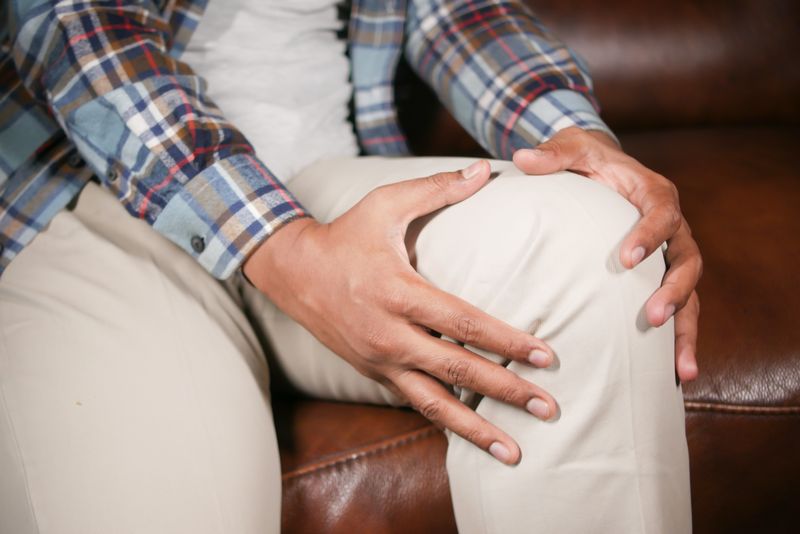
How you recover after a sports injury depends heavily on the first days: sprains and bruises happen even with careful training. Here are the principles of first aid and a gradual return to activity.
How you recover after sports injuries such as a sprain or bruise depends heavily on the first days. The right first aid, sensible rest and a gradual return to activity help you get through it without complications or re-injury. Below are general principles for minor injuries; anything serious is a reason to see a doctor right away.
What should you do in the first hours after an injury?
Stop training and use the classic approach: protection, rest, ice, compression and elevation.
This approach is known as the P.R.I.C.E. protocol. It helps reduce swelling and pain in the first 24–48 hours:
- Protection and rest — don't load the injured area.
- Ice — apply through a cloth, in short sessions, never directly on bare skin.
- Compression — an elastic bandage, without wrapping too tight.
- Elevation — keep the limb above heart level while you rest.
Experts at Cleveland Clinic point out that this approach is meant for the first days, not for weeks of complete inactivity.
What should you avoid right after an injury?
Most importantly, don't push "through the pain" and don't rush to apply heat.
- Continuing to train despite pain — this can make the injury worse.
- Heating or rubbing the injured area in the first days — heat can increase swelling.
- Fully immobilizing the limb for longer than recommended without consulting a specialist.
- Masking pain with pills so you can keep training.
When do you need a doctor?
Severe pain, being unable to put weight on your leg, marked swelling or deformity are reasons to see a doctor immediately.
It's also worth seeing a specialist if swelling and pain don't ease within a few days, you feel numbness, or the joint seems unstable. Basic rules for a home first-aid kit are in "First aid at home".
How does the return after an injury work?
Coming back after an injury should be gradual: from gentle pain-free movement to full training.
According to Mayo Clinic Press, sports injury recovery time is influenced by sleep, nutrition and sensible loading. A rough sequence looks like this:
- gentle movement within a comfortable range, without pain;
- light stretching and mobility work — more in "Stretching before and after a workout";
- strength and balance exercises for the injured area;
- your usual workouts, but with lower volume and intensity.
Jumping straight back to your previous load is a common cause of re-injury. Go by how you feel, not by the calendar. If an exercise causes pain, take a step back and give yourself a few more days.
How do sleep and nutrition affect sports injury recovery?
Tissues need resources, so sleep and good nutrition are part of recovery, not an add-on.
- Aim to get enough sleep: the body recovers most actively during sleep.
- Make sure you get enough protein — muscles and tissues need it.
- Drink enough water and don't forget vegetables and fruit.
- Keep uninjured parts of the body active if your specialist agrees: it helps maintain fitness and mood.
How do you lower the risk of re-injury?
The best prevention is warming up, recovering between workouts and increasing load gradually.
Don't skip your warm-up, alternate hard and easy days and watch your technique. For working on your muscles yourself, see the techniques in "Self-massage for muscle recovery", and if you run and jump, the tips in "How to lower the risk of knee injuries".
How can you support yourself during recovery?
The foundation is sleep, food, water and sensible activity; supporting tools only complement them.
Once a specialist has cleared you to return to activity, many people add LifeWave patches to their recovery routine. According to the company, X49 helps shorten recovery time after exercise, X39 supports energy and recovery after workouts, and a pair of IceWave patches is chosen to feel more comfortable in motion. The patches contain no drugs and do not replace a specialist's advice.