Ski exercises: a 6-week plan to prepare for the season
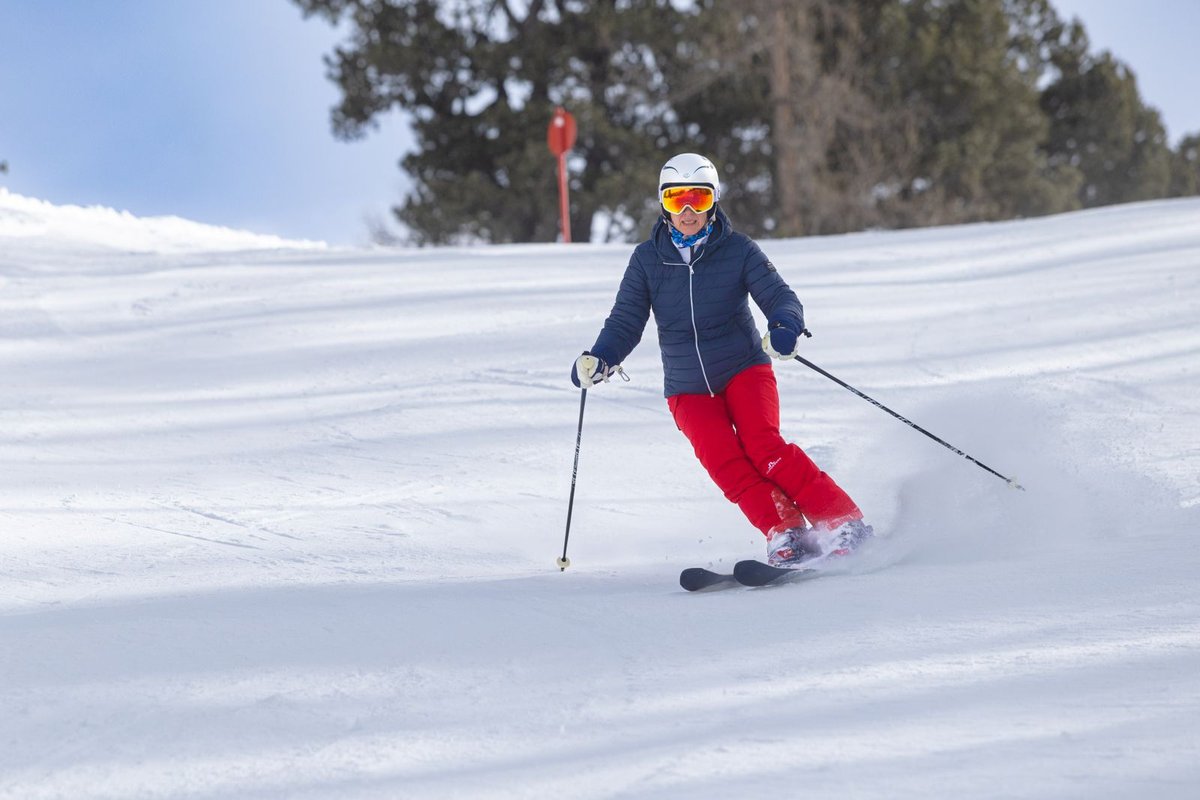
Ski exercises are worth starting long before your first chairlift ride. Six weeks of a simple program at home or at the gym, and your legs tire less while skiing becomes more fun.
Ski exercises aren't just for athletes. Skiing loads your thighs, glutes and core for hours at a time, and tired legs by the end of the day are what most often spoil the experience. Orthopedic surgeons at AAOS advise starting the season in good physical shape, warming up and stopping when you're tired (AAOS).
The good news: six weeks and three short workouts a week are enough to get ready.
How to start preparing for ski season
Start 6 weeks out and train 3 times a week for 30–40 minutes. The first two weeks are about technique and volume; after that, a few more reps and balance exercises.
- Weeks 1–2: squats, glute bridges, planks, brisk walking.
- Weeks 3–4: lunges in different directions, wall sits, side planks.
- Weeks 5–6: side-to-side hops, single-leg stands, stair climbing.
Start each workout with a 5–10 minute warm-up and finish with stretching. If your legs are very sore for two or three days after a session, reduce the reps next time rather than skipping a whole week.
Ski exercises at home
The most useful ones train your legs in a half-squat and your ability to keep your balance. You don't need equipment — just a mat and a wall.
- Wall sit, 30–60 seconds — mimics a skier's stance.
- Side lunges and skater hops — to shift weight from leg to leg, as trainers recommend REI.
- Planks and side planks — for the core that holds your torso steady on uneven terrain.
- Single-leg stand with eyes closed — for balance and knee protection; more ideas in "How to lower the risk of knee injuries".
Ski exercises at the gym
The gym lets you add weight and cardio machines, but the foundation is the same: legs, core and balance. Increase the load gradually and watch your form.
- Dumbbell squats and lunges — for thigh and glute strength.
- Stationary bike or stair climber — for leg endurance.
- Balance board exercises — for stability.
- Rows and back exercises — so your torso doesn't tire in a forward-leaning stance.
Ski exercises for legs: which matter most?
The key ones are those that keep you in a half-squat for a long time without pain: wall sits, squats and lunges. They train the thighs and glutes, which work on every turn.
Add calf exercises and stair climbing: they help your legs keep their strength until the end of the day. A strong core helps you stay balanced on uneven terrain, and stretching after workouts keeps you mobile — details in "Stretching before and after a workout".
How to warm up on the slope
Spend 5–10 minutes warming up before your first run. Cold muscles handle load less well.
- Walk around in your boots, do leg swings and torso twists.
- A few shallow squats in place.
- Your first run — on a gentle slope at an easy pace.
And if you're just starting out, be sure to book at least a couple of lessons with an instructor: good stance saves as much energy as training does.
What helps on a ski trip?
For preparation and skiing, many people choose the X39+X49 set: according to the company, X39 supports energy and recovery and X49 supports endurance; how they differ is explained in "X39 vs X49: what is the difference". After a day on the slopes, IceWave comes in handy — according to the company, it's designed for comfort in motion. For preparing for other mountain trips, see "How to prepare for mountain hiking and trekking".