Sleeping with air conditioning on: the right temperature and how to avoid dry air
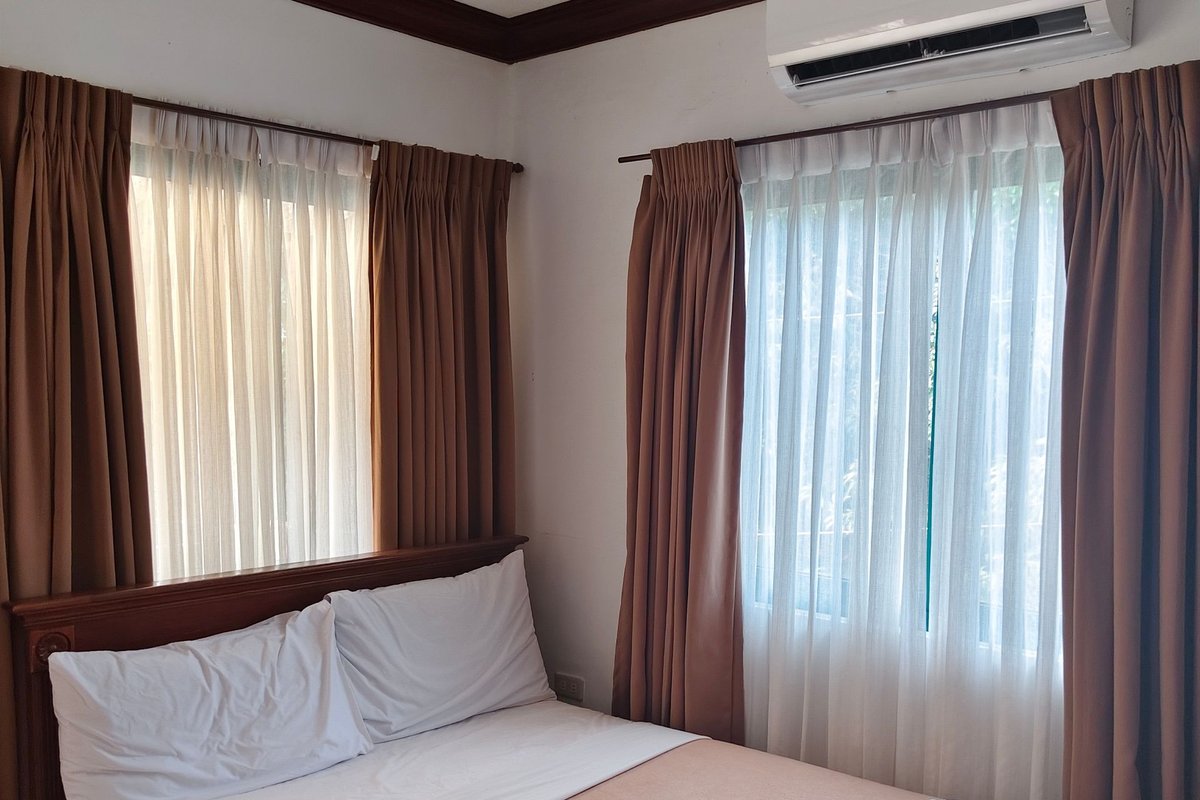
Sleeping with air conditioning on in hot weather is the norm from Dubai to Almaty. Here's how to sleep with AC the right way, what temperature to set, how to avoid a dry throat and skin in the morning and how to set up your bedroom for sound sleep.
Sleeping with air conditioning on is fine — and even good for sleep in hot weather — if you set a comfortable temperature, keep the airflow away from the bed and watch the humidity. In a hot climate you can't fall asleep at night without AC, but in the morning many people complain of a dry throat, stuffy nose or tight skin. The problem isn't the unit itself but how it's set up.
Is sleeping with air conditioning on bad for you?
No, coolness actually helps sleep. Body temperature naturally drops before sleep, and higher temperatures are linked to less deep sleep, which is why the Sleep Foundation directly recommends using a fan or air conditioning.
A hot, stuffy bedroom is one of the most common reasons for restless sleep in summer. So the question isn't whether to turn on the AC, but how to make it run gently.
How to sleep with air conditioning on?
The three main settings are temperature, airflow direction and operating mode.
- A comfortable range for sleep is about 64–68 °F (18–20 °C). If it's 104 °F (40 °C) outside, you don't have to set the minimum right away: start at a point that feels comfortable and lower it gradually.
- Turn on sleep mode or a timer so the AC runs more gently toward morning.
- A light blanket and breathable bedding help you stay warm enough under a stream of cool air.
- Turn on the AC 20–30 minutes before bed so the bedroom has time to cool, then leave it on a moderate setting overnight.
Sleeping with air conditioning: how to avoid a sore throat and waking up unwell?
Discomfort in the morning is usually linked not to coolness as such but to drafts and dryness. Research shows people sleep better and longer with moderate airflow than with the AC running at full blast.
- Point the louvers up or to the side so the airflow doesn't hit the bed directly.
- Keep an eye on humidity: the sweet spot is 30–50%, no higher than 60%. If the air is too dry, a humidifier or a bowl of water helps.
- Clean the AC filters regularly according to the manufacturer's instructions.
- Drink water in the evening and keep a glass by the bed.
Sleeping with air conditioning: are there downsides?
Air conditioning isn't harmful in itself, but poor settings can get in the way of comfort. Most complaints come down to three things.
- A temperature set too low — you wake up cold with tense muscles.
- Airflow straight at your face and neck — hence that "caught a chill" feeling.
- Dry air — skin dries out, eyes get irritated, throat feels scratchy.
How to deal with dry air at home is covered in detail in "Dry air in the house".
How to set up the bedroom if you sleep as a couple?
Two people often have different comfortable temperatures, so look for a compromise not just on the remote but in the bed.
- Set a middle temperature and make up the difference with blankets of different weights.
- Whoever tends to get cold should sleep farther from the airflow.
- Blackout curtains during the day keep the room from heating up, making the AC's job easier in the evening.
- If one of you is hot and the other isn't, a quiet fan on one side of the bed helps.
More ideas for couples with different sleep habits in "Sleep divorce".
Can you sleep with the AC on and the window open?
It's better to choose one or the other. With the window open, the AC works in vain, and hot, noisy street air comes into the room. A convenient approach is to air out the bedroom in the evening, close the window and run the AC on a gentle setting. If it's cool outside at night, you can skip the AC: open the window and run a fan on its lowest speed.
Good sleep is built from small things — more on them in "Evening rituals for solid sleep" and "How much sleep do you need?", and about living in a hot climate in "Adapting to a hot climate". For evening relaxation, you can try the Silent Nights patch — according to the company, it's melatonin-free and doesn't enter the skin. And for skin that dries out under the AC, there's Alavida Night cream.