Tension Headaches: Causes, Relief, and When to See a Doctor
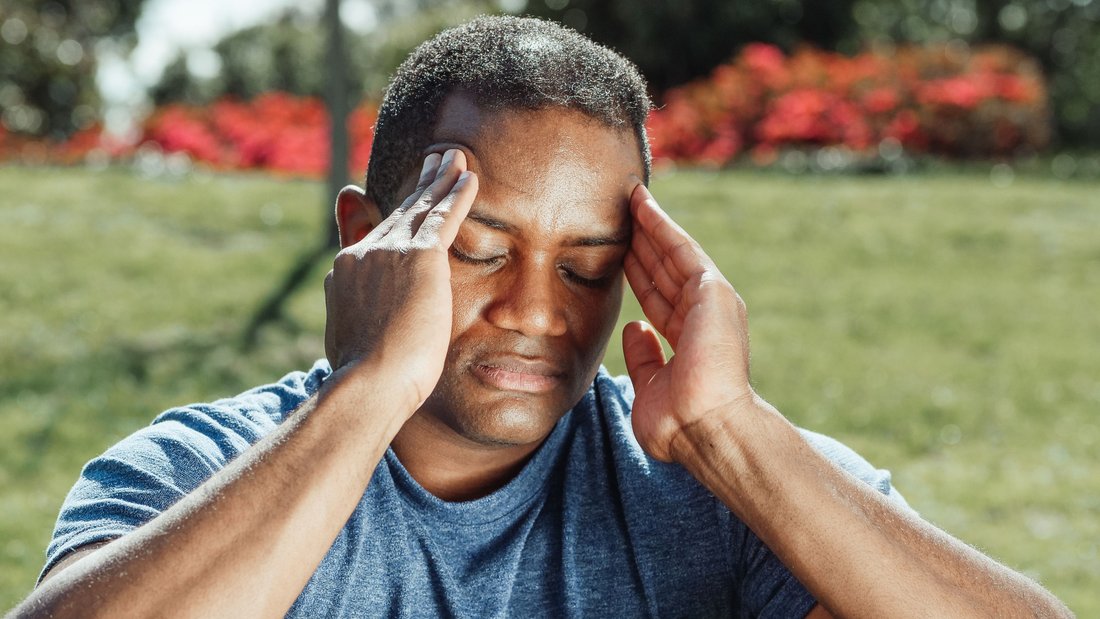
Tension headaches are the most common type of headache: dull, squeezing, like a "band" around your head. Here's where they come from, what helps you feel better and when you shouldn't put off seeing a doctor.
Tension headaches are a dull, steady, squeezing pain on both sides of the head that often spreads to the neck and shoulders. They're usually linked to muscle tension, stress, lack of sleep or sitting in one position for a long time. This is the most common type of headache in adults, and in many cases it can be eased with simple measures.
What does a tension headache feel like?
Most often like a "band" or "helmet" squeezing your head from both sides. The pain is dull and steady, not throbbing.
- Pressure across the forehead, temples or back of the head.
- Tight, tender neck and shoulder muscles.
- Usually no nausea, and light and sound don't make the pain noticeably worse.
- An episode lasts from half an hour to several hours, sometimes longer.
A detailed description of symptoms is available from Mayo Clinic and the NHS.
Tension headache causes: why do they happen?
The main causes are muscle tension and stress, but there are other common triggers too:
- long static hours at the computer with a tense neck and shoulders;
- stress and emotional strain;
- lack of sleep or an irregular schedule;
- dehydration and skipped meals;
- eye strain — more in our article on eye strain from screens.
Tension headaches vs migraines: what's the difference?
A tension headache is usually on both sides and squeezing, while a migraine is more often one-sided and throbbing. Migraines frequently come with nausea and sensitivity to light and sound.
If you're not sure which type you have, keep a log of episodes: when the pain started, where it hurts, what came before it. A diary like this is a big help to your doctor. More on the different types from the American Migraine Foundation.
It's also useful to note what helped: water, a break, a walk, sleep. After a month you'll see which measures work for you and which triggers come up most often.
What helps you feel better?
Start with a break, some water and relaxing your neck and shoulders. These simple steps often work within the first half hour.
- A short break and a change of position if the pain is linked to sitting at a desk.
- A cool compress on your forehead or a warm one on your neck and shoulders.
- A glass of water — dehydration is often underestimated; see our article on how much water to drink.
- Gentle neck stretches — for example, from our article on neck exercises.
- A few minutes of slow breathing — techniques are in our article on breathing for stress.
How to prevent tension headaches from coming back?
The best prevention is a steady routine, movement and attention to posture. Tension headaches often return where the trigger repeats every day.
- Set up your workspace: screen at eye level, back support.
- Every 40–60 minutes, get up and loosen your shoulders.
- Go to bed and get up at the same time — both too little and too much sleep can trigger pain.
- Don't skip meals, and drink water throughout the day.
It's also worth watching your caffeine: for some people both too much coffee and quitting it abruptly are linked to headaches. If you decide to cut back, do it gradually, one cup at a time.
When is it more than just tension?
Some symptoms call for urgent medical help, not home measures.
For everyday prevention, many people find products that support relaxation and comfort helpful. The company positions IceWave patches for comfort in movement — you can apply a pair to any area of the body, for example your shoulders after a long day at a desk. And the evening Silent Nights patch, according to the company, helps you relax, which improves sleep quality — one of the main factors linked to tension headaches.