Menopause: how it affects the body and how to support your energy and wellbeing
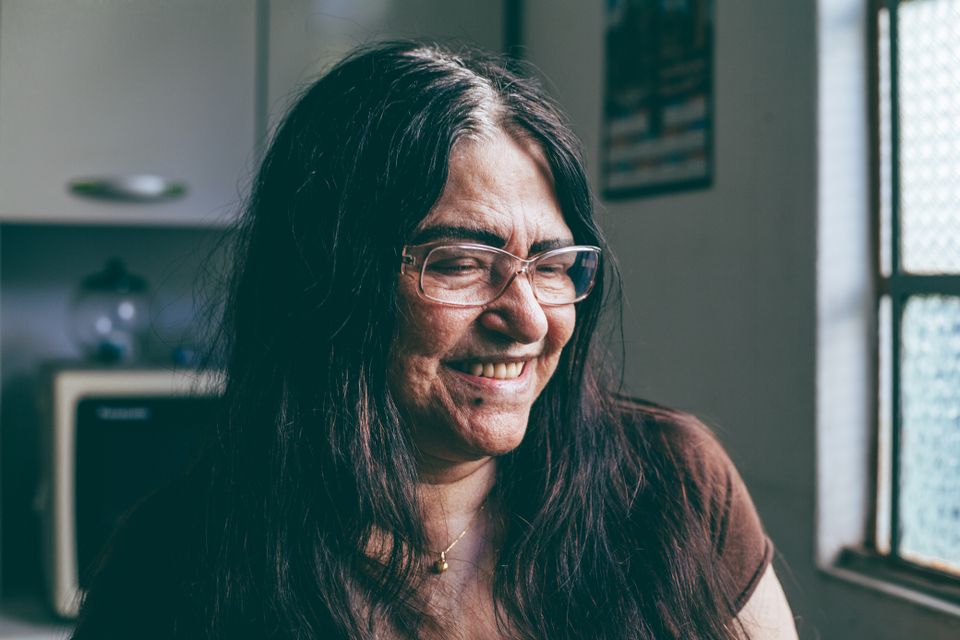
Menopause: when does it start and what comes with it? It is a common question for women over 40. Here we look at the age, the first signs, hot flashes and the habits that help you go through this stage more comfortably.
Menopause: when does it start and how do you recognize it? Most often between 45 and 55, and it is preceded by perimenopause with gradual changes. It is a natural stage of life linked to hormonal shifts: it often brings hot flashes, sleep problems, mood swings and lower energy. It is not a “breakdown” but a reorganization of the body that goes differently for everyone.
At what age does menopause start?
According to Cleveland Clinic, most women reach menopause between 45 and 55. The exact age is individual and depends on many factors.
- Perimenopause: the years before menopause, when the cycle becomes irregular.
- Menopause: the point when you have had no periods for 12 months in a row.
- Postmenopause: all the time after that point.
Mayo Clinic describes the first changes of the transition in more detail.
How does menopause affect the body?
Every woman experiences her own set of changes: for some they are barely noticeable, for others they have a real impact on daily life. The most common are:
- an irregular cycle during perimenopause;
- hot flashes and night sweats;
- sleep problems;
- mood swings and irritability;
- lower energy and concentration;
- dry skin.
Hot flashes during menopause: what can you do?
Hot flashes are hard to prevent completely, but lifestyle helps you cope with them more easily. Many women notice their “triggers” and learn to avoid them.
- Dress in layers so you can quickly take something off.
- Keep your bedroom cool and well ventilated — hot flashes often get in the way at night.
- Notice what makes hot flashes stronger: for many women it is spicy food, alcohol, hot drinks and stress.
- Slow breathing during a hot flash helps you calm down — techniques are in “Breathing exercises for stress: three techniques that work in minutes”.
What helps support your energy and wellbeing?
The foundation is the same habits that support energy at any age, but during this period their effect is especially noticeable.
- A regular sleep schedule — going to bed and getting up at the same time.
- Moderate physical activity — even ordinary walking helps your mood and energy.
- Eating enough calcium and protein: bone health is especially important at this time (see “Bone health after 50: prevention and everyday habits”).
- Less stress and more time for yourself.
How does menopause affect sleep, and how can better sleep help?
Sleep often suffers at this stage because of night-time hot flashes, and lack of sleep immediately affects energy and mood. That is why a sleep routine is one of the main pillars.
- Go to bed and get up at the same time, even on weekends.
- Choose light bedding and keep a glass of water by the bed.
- Avoid a heavy dinner, alcohol and caffeine in the evening.
- An hour before bed, dim the lights and put your phone away.
More ideas are in “Evening rituals for solid sleep: how to wind down for rest”.
How does your skin change during this period?
Hormonal changes affect the skin too: it can become drier and thinner. Gentle cleansing, moisturizing and daily sun protection help.
Learn more in “Skin changes with age: how to care for your skin after 45”.
When should you see a doctor?
If symptoms seriously affect your quality of life — constant insomnia, severe hot flashes, sharp mood swings — it is worth discussing them with a gynecologist. There are different approaches to support during this period, and your doctor will help you find the one that suits you.
For regular check-ups after 50, see “Women’s health after 50: screenings and habits for quality of life”, and for how stress and hormones are linked, see “Hormonal balance and stress: how the two are connected”.
Which wellness rituals do women choose during this period?
Many women add calming rituals to their routine. For example, they use the Y-Age Aeon patch, which according to the company helps you relax and take stress more calmly, and Silent Nights in the evening — the company positions it as a patch for relaxing before sleep, without melatonin or sleeping pills. For skin care, there is the Alavida Regenerating Trio set with a day nectar, a night cream and an eye cream.